Best Time to Travel Canning Stock Route (And Why We Go July)
Updated: Apr 10
Discover the Best Season for Your Adventure
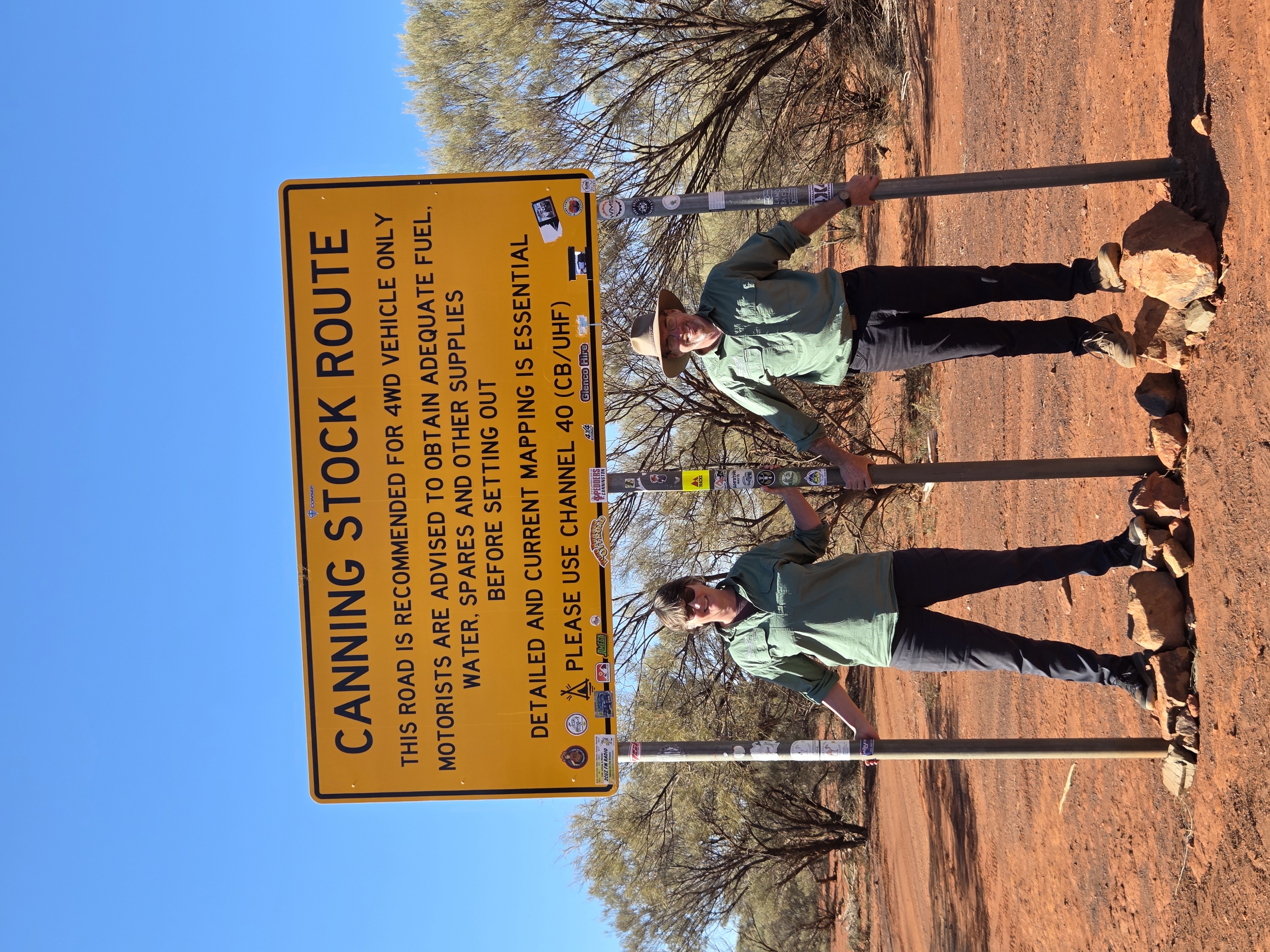
The Canning Stock Route can be traveled between April and September, but timing shapes the entire experience. After guiding this journey five times, I’ve learned that July often delivers the perfect balance. You’ll find cooler days, vibrant wildflowers, emerging desert light, and a quieter, more reflective outback.

The official season vs the reality
April to September is the safe window for travel. However, depending on nature and how dry or wet the seasons have been, there’s huge variation within that timeframe.
Tour operators from the eastern states and other 4WD enthusiasts typically run tours from May to June. They come via the Tanami, traveling south. This is when the wildflower blooms are at their peak, depending on past weather patterns. Some travelers may choose to go from north to south due to the historical stock run.
There are ongoing debates about how the Canning Stock Route is traversed by 4WDs today. Historically, cattle were moved from north to south. However, the broader operation involved drovers, horses, wagons, camps, yards, ropes, and equipment returning north to bring the next mob down. Indigenous drovers, in particular, sought to return to their families and Country. This reinforces that movement along the route was never one-directional.
Why We Deliberately Choose July
Wildflowers Still Blooming
Southern desert species linger into July. They may not be in full bloom, but they are still spectacular. Northern wildflowers often peak mid-season. The entire route showcases diverse species across the four deserts, making the journey worthwhile regardless of blooms.
Less Traffic on the Track
By July, most tour groups have already passed through. This means quieter wells, less passing dust, and more solitude for you to enjoy.
Less Vegetation Damage
The risk of Spinifex Grass fires and damage to your vehicle's paintwork is reduced. However, we still advise using some form of paint protection, like Bushwrapz.
Comfortable Northern Temperatures
June is very cold in the morning often tents are still iced up when setting up again in the afternnons. When we finished our trips in mid-August its often became too hot in the Kimberley end (especially for Alison!). July keeps the northern section bearable.
Environmental Stewardship Opportunity
Traveling mid to late season allows us to observe the impacts left by earlier travelers. We actively contribute to outback clean-up efforts. These journeys also enhance our eco-education, which we share with our travelers and the wider community. Where appropriate, we pass on observations and data to Outback Cleanup, Track Care, and Traditional Landowners.
Earlier or Later in the Season?
April through June
This period can be busy on the track. Popular campsites often fill up, forcing travelers to create new one-night camps. This can risk clearing vegetation and causing unnecessary damage. Increased traffic also raises the chance of meeting oncoming vehicles on dune crests, especially when radios aren’t used. We’ve witnessed this into July. The vegetation regrowth over the summer storm season can also pose challenges. Peak east coast tour traffic, widespread wildflower displays in good years, and cooler conditions all contribute to the busyness of these months.
July (Our Choice)
Mid to late season offers a balance of quieter tracks, still some flowers, and manageable heat.
August to September
Temperatures start to rise in the north. Fewer wildflowers bloom, and dusty conditions prevail. While it’s quieter, the risk of heat and sudden rainstorms increases.
Conclusion: Finding the Sweet Spot
Every season has its trade-offs. Mornings and nights can dip to -6°C at the southern end, while warm sunny days follow. But hey, that’s desert life in Central Western Australia!
We’ve settled on July because it balances comfortable temperatures, the chance to see wildflowers, a quieter track, and the opportunity to care for the country as we travel. Nature doesn’t follow a calendar, but five trips have taught me that July is our sweet spot.


Comments