Why Your 4WD is Your Lifeline on the Canning Stock Route
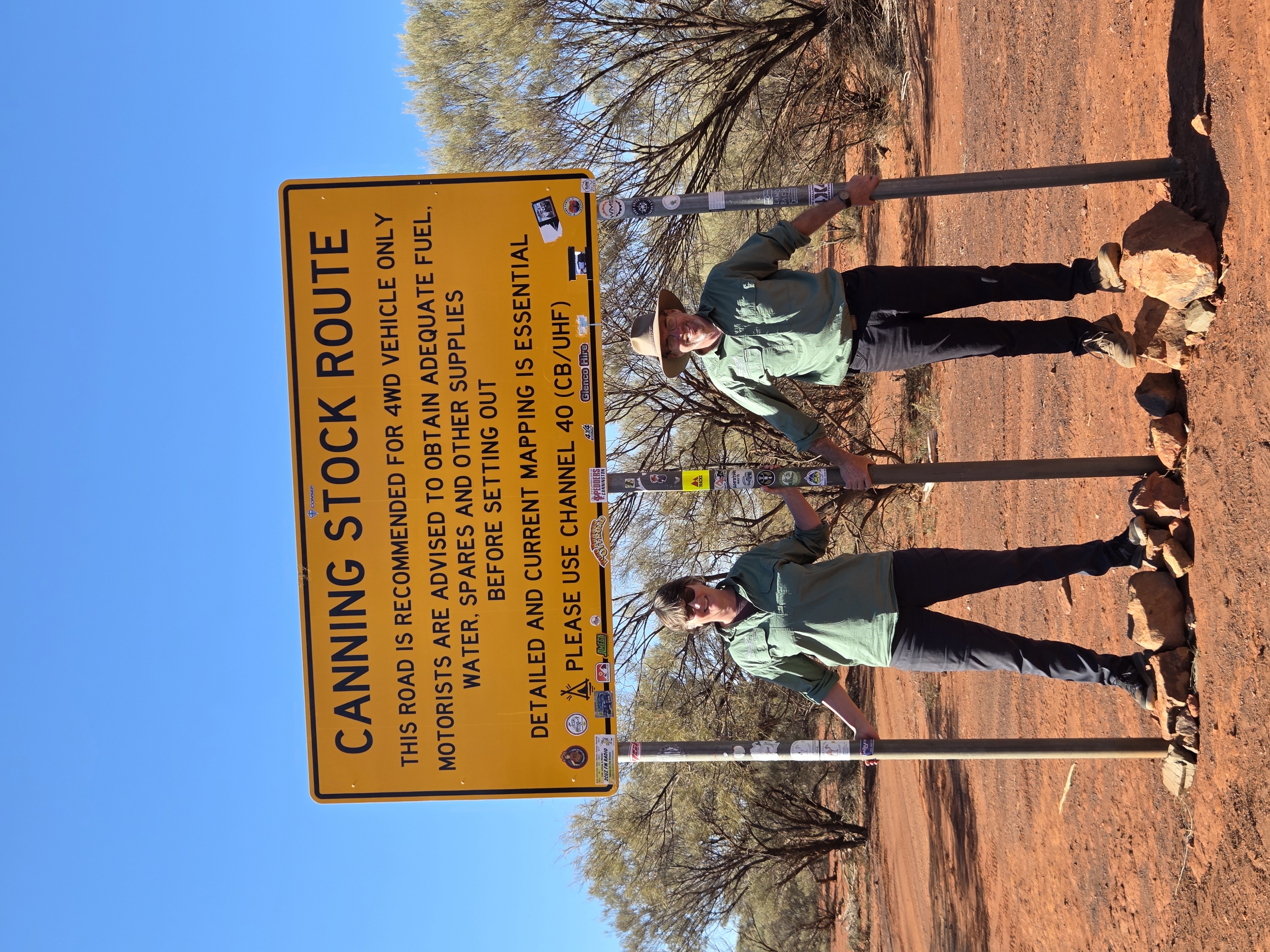
Updated: Aug 17
Stay With Your Vehicle: The 1 Outback Survival Rule
Have you decided to tackle the 1,850 km Canning Stock Route through Western Australia's remote desert? Understanding 4WD breakdown survival could save your life. The golden rule? Always stay with your vehicle.

Why Your 4WD is Your Desert Survival Pod
Your body can lose 1–2 litres of fluid per hour through sweating. As dehydration sets in, blood volume decreases. This makes it harder for your heart to circulate blood and regulate temperature. Reduced blood flow to the skin limits your body’s ability to cool itself. As a result, your core temperature rises.
Cognitive function is also affected. Judgement, coordination, and decision-making decline. This increases the risk of poor choices and injury. Without intervention, heat exhaustion can escalate into heat stroke, a life-threatening condition. In these harsh conditions, even a short 10 km walk to “find help” can place your body under extreme stress and become fatal.
Your Vehicle Provides Essential Protection
Temperature control and desert shade aren't luxuries—they're survival. Your 4WD offers:
Life-saving shade that reduces water loss by 60-70%
Wind protection from dehydrating desert gusts
Insulation from scorching ground heat and freezing night temperatures
Shelter during dust storms
Wildlife and environmental barriers: Your sealed vehicle protects you against outback flies, mozzies, dingoes, snakes, scorpions, and extreme temperature swings.
Psychological comfort: The vehicle soothes you. An enclosed space reduces panic and maintains mental clarity during outback emergencies. You’re visible from the air (if an aircraft is nearby). Rescue teams scan for vehicles, not people. Your 4WD and its glass reflection are visible from kilometres away, while you’re nearly impossible to spot on foot.
In Western Australia's vast desert terrain, your vehicle's metal surfaces, shade, and size make it the perfect signal beacon. Walking away from a broken-down 4WD means leaving behind your most valuable survival assets: water, shade, and shelter. In extreme heat around 45°C, the human body can quickly succumb to the elements.

Essential Canning Stock Route Safety Equipment
Before your Western Australia desert expedition, ensure you carry:
Communication: Starlink, satellite phone, EPIRB, UHF radio, PLB
Recovery Gear: Spare tyres (minimum 2), recovery tracks, tools, snatch straps
Survival Supplies: 6-8 litres of water per person daily (plus reserves). We always carry an extra week's worth of food. Ration everything as soon as you know you're in for a long haul.
As tour guides, we have a Royal Flying Doctor Service chest from Perth and a backpack first aid kit when hiking.
A few extra spares and items can come in handy: vehicle awnings, tarps, matches, lollies, rice, oil, coolant, belts, hoses, filters, duct tape, cable ties, scissors, needle, and cotton.
The Statistics Don't Lie
Outback Australia deaths often occur when people walk away from vehicles with water still inside. Your 4WD contains more resources than you can carry and provides the visibility search teams need. There are many survival techniques for long-term situations, and each survival story is different. Staying calm and safe with your vehicle is the best outcome.
Understanding the Canning Stock Route
The Canning Stock Route is not just a road; it's a journey through history and nature. This route takes you through some of the most stunning landscapes in Western Australia. You’ll encounter ancient rock formations, vast sand dunes, and unique wildlife.
The Importance of Preparation
Preparing for this adventure is crucial. Research the route, understand the terrain, and know what to expect. The more informed you are, the better equipped you'll be to handle any challenges that arise.
Navigating the Route
Navigation can be tricky in the outback. Ensure you have reliable maps and GPS devices. Familiarize yourself with the landmarks along the route. This knowledge will help you stay oriented and make your journey smoother.
Connecting with Nature
The Canning Stock Route offers a chance to connect deeply with nature. Take time to appreciate the beauty around you. Whether it’s the vibrant sunsets or the starry night sky, these moments will enrich your experience.
FAQs: Canning Stock Route Safety
Q: What should I do if my 4WD breaks down on the Canning Stock Route?
A: Stay with your vehicle, activate your EPIRB, Starlink, or satellite phone. Create shade, ration water, relax, and wait for rescue.
Q: When is the best time to travel the CSR?
A: Travel between May and August when others are on the track. Perhaps view visitor books at Georgia Bore and Pierre Springs to note when guided tours and travelers are coming. Watch 4WD tour guide schedules online before you start your adventure.
Q: How much water do I need for the Canning Stock Route?
A: Minimum 60 litres plus emergency reserves for breakdowns. Pack some water purification tablets. Use well water for washing and showers.
Q: Can I walk to find help in the outback?
A: No. Walking in extreme heat uses water faster than you can carry. Always stay with your vehicle.


Comments